


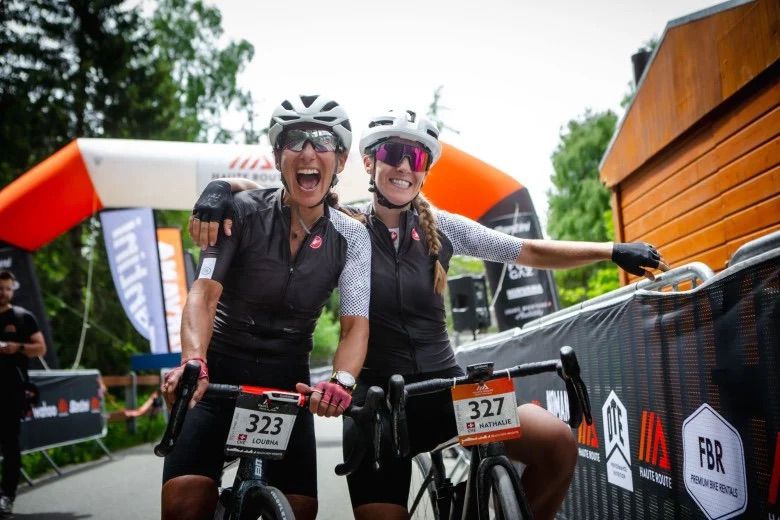
“Solving problems, juggling multiple tasks at once, constantly adapting… many women already do this every day in their lives. And in ultra-cycling, these qualities become incredibly valuable. ” Through their challenge on the Route des Grandes Alpes, Nathalie and Loubna are conveying a broader message about the role of women in ultracycling.
How are women carving out their rightful place in ultra-cycling?
Nathalie:
Thanks to certain qualities that are essential in this sport. In ultra running, physical fitness is obviously important, but what matters most is the mental aspect: patience, consistency, listening to your body, and the ability to manage emotions, discomfort, or mental fatigue.
Of course, men often have an advantage in terms of raw power, especially on the bike. But over very long distances, performance no longer depends solely on watts. It also depends on sleep, nutrition, recovery, mental strength, and the ability to stay focused for hours or days on end. And in these areas, the gender gap narrows significantly.
You say that ultra-running is first and foremost a mental adventure…
Loubna:
Yes, because in ultra running, you’re constantly faced with the unknown. And when faced with this unknown, there are three essential things: managing fear, the ability to solve problems, and managing pain.
As a mental coach, I see fear as something normal. It’s there to signal that we’re stepping outside our comfort zone. So the goal isn’t to eliminate fear, but to learn to live with it and prepare for it. Many women are very good at handling this. But often, they get stuck at the fear stage and don’t dare to go any further.
In your opinion, what are the main barriers for women today?
Nathalie:
In my opinion, the main barrier isn’t physical. It’s mostly mental or cultural. Many women don’t dare to take the plunge because they don’t feel they fully belong in those worlds.
There’s also a lack of role models. When I started ultra running, certain women inspired me enormously, like the French runner Nathalie Baillon. Seeing other women succeed in this kind of adventure really helps you picture yourself doing it.
And then there are all the issues surrounding the night, sleep, and solitude. Riding alone at night or sleeping for a few hours by the side of the road is often more intimidating for women than for men.
So do you think that ultra-running levels the playing field a bit between men and women?
Loubna:
Yes, I think so. Of course, physical strength is a factor. But the longer the effort lasts, the more other qualities become important: resilience, mental endurance, and managing energy, sleep, pain, and the unexpected.
Problem-solving, multitasking, constantly adapting… many women already do this every day in their lives. And in ultra running, these qualities become incredibly valuable.
Are the mechanical aspects still a barrier for many women?
Loubna:
Yes, that can still be a barrier. Even though I know how to handle the basics, like changing an inner tube, I’m not entirely comfortable with the technical aspects. And the idea of finding myself alone on the side of the road at night with a more complicated breakdown can definitely be stressful.
Nathalie:
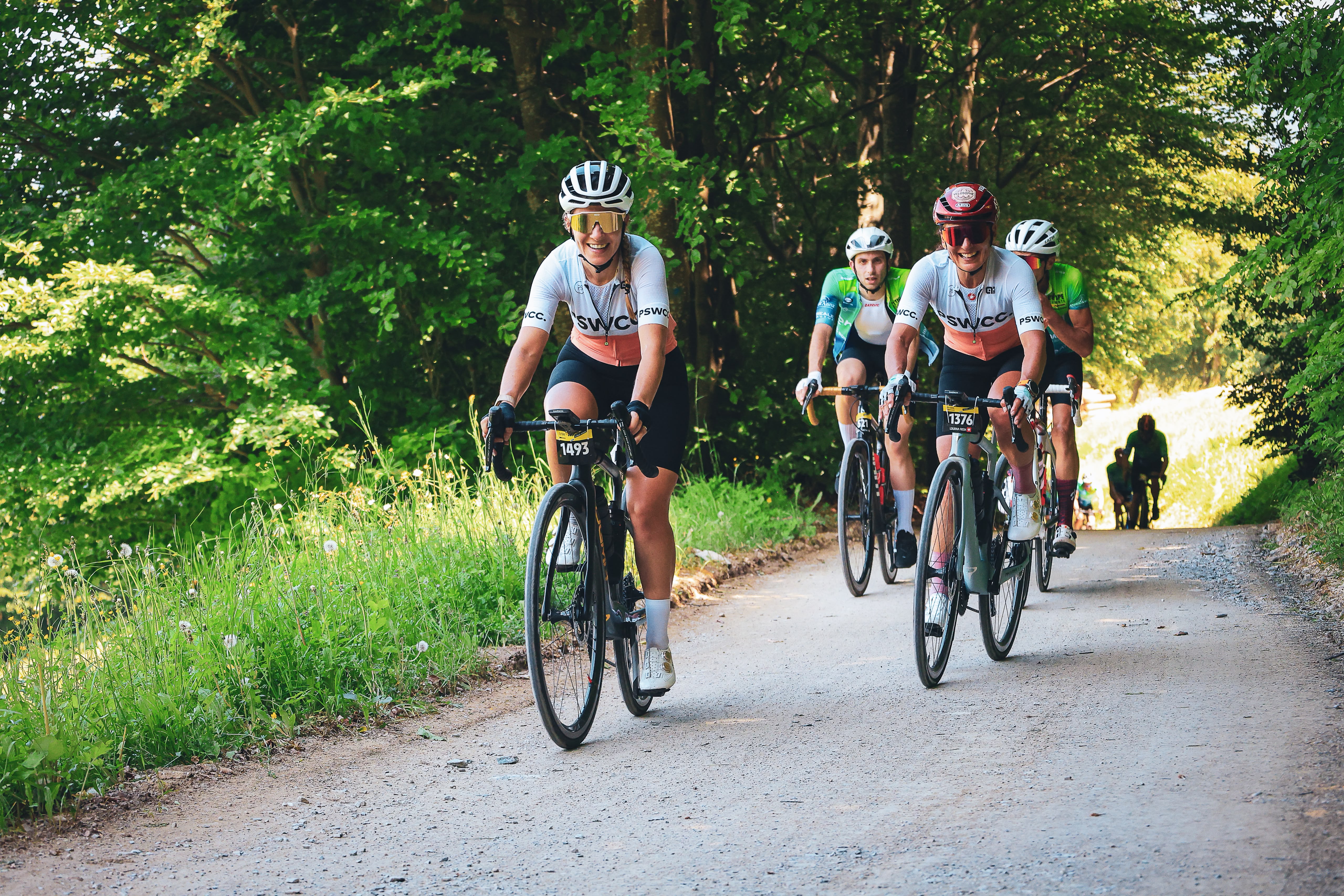
We’ve created a women’s cycling community that organizes rides, training camps, and technical workshops: wheel changes, basic mechanics, bike maintenance…
And we’re seeing real progress. At first, many participants didn’t know how to fix a flat tire. Today, there are often several women who can handle that very quickly.
And honestly, this isn’t just a women’s issue! A lot of men don’t necessarily know how to fix their bikes either.
Do you also want to show another way of approaching performance?
Nathalie:
Yes, absolutely. You can be ambitious without necessarily adopting all the masculine norms of extreme performance. You can be strong, determined, and committed… while remaining human, authentic, and sometimes vulnerable as well.
The goal isn’t to give the impression that what we’re doing is unattainable or “superhuman.” On the contrary. If our project can inspire other women to dare to embark on their own adventures, then that alone will be wonderful.
You also place a lot of emphasis on the idea of teamwork and sharing…
Loubna:
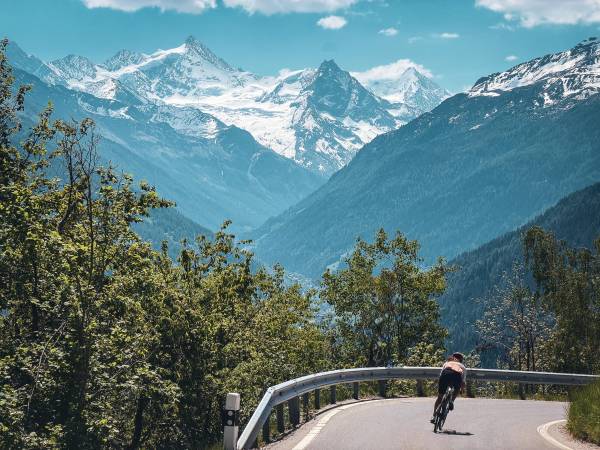
Yes, because ultra running is often portrayed as something very solitary and focused on individual performance. What we want to show is that you can also experience this kind of adventure through sharing and mutual support. This challenge with Nathalie fits perfectly into that mindset: moving forward together, supporting each other, and building something as a team.
What message do you hope to convey with this project?
Nathalie:
I’d like to tell women that they should dare to dream big. Don’t wait until you feel perfect or completely ready to take the plunge. We do a lot of sports, but we’re not professionals. And yet we’re going to attempt something very ambitious.
Loubna:
And I’d like to show that you can keep learning and discovering at any age. There are still so many things I’ll discover on this adventure, like riding for long stretches at night or cycling for several days in a row.