


Electrically assisted bicycles are attracting more and more mountain bikers. Emblematic routes such as the Route des Grandes Alpes, long reserved for the most highly trained cyclists, are now becoming accessible to a much wider public thanks to the VAE. This evolution makes it possible to discover the great Alpine passes with greater comfort, while retaining the pleasure of effort and roaming.
But setting off for several days on mountain roads is not improvised. Choosing the right bike and equipment is essential to get the most out of your trip and avoid unpleasant surprises along the way.
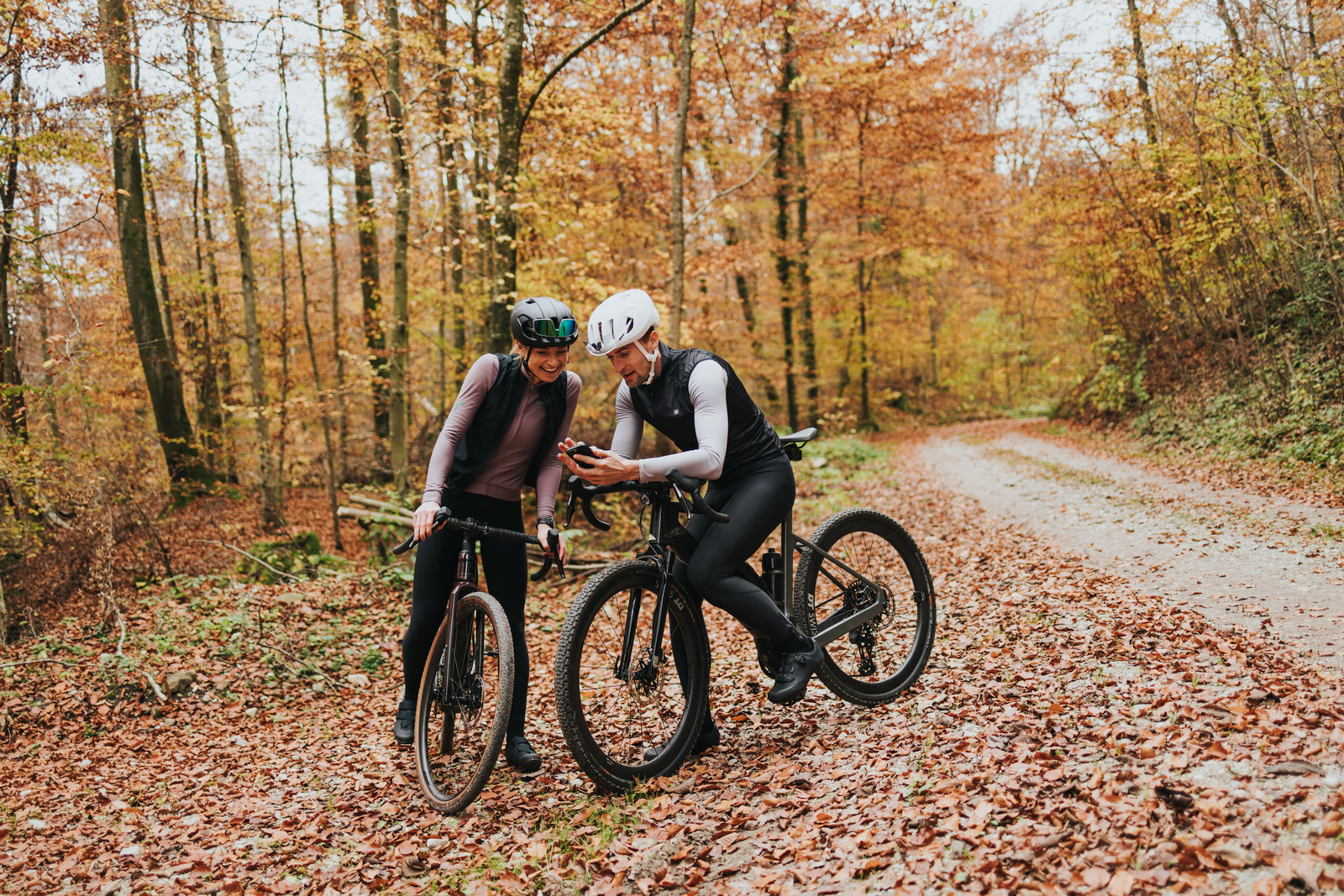
A VAE on alpine roads, between effort and pleasure
What VAE changes concretely on mountain routes
Electric assistance does not eliminate physical effort. In the mountains, it acts above all as a regulator that enables you to better manage your energy over time.
On long climbs, the VAE helps you maintain a more constant pace without immediately getting into the red from the very first kilometers. The passes remain demanding, especially as the gradient increases, but they become much more accessible for less experienced or less trained cyclists.
This assistance also changes the way you link stages together. Days of 70 to 90 kilometers with a significant difference in altitude become more affordable without requiring several days of recovery. This opens the door to more ambitious touring trips, with more pleasure and less accumulated fatigue.
The electric bike also facilitates outings between cyclists of different levels. An occasional rider can ride with more athletic partners without stalling on every climb. This is one of the great advantages of the VAE on alpine routes.
Finally, assistance more easily compensates for the weight of luggage. On a multi-day trip, it's not uncommon to carry between 10 and 15 kg of equipment. With a adapted motor, this load becomes much simpler to manage in the passes.
Criteria to consider when choosing a mountain EV
Not all electric bikes are designed to cope with the constraints of alpine roads. Some urban or leisure-oriented models quickly show their limits on long climbs or technical descents.
The first thing to look at is the type of motorization. A crankset-mounted motor is generally much more efficient in the mountains than a wheel-mounted motor. It provides more natural assistance and better power management on steep gradients.
Actual autonomy is also an essential point. In hilly or mountainous terrain, battery consumption increases rapidly. If you're planning long trips, you'd be better off aiming for a range of at least 80 to 100 kilometers in mixed use.
The weight of the bike also plays an important role. A relatively light VAE will be more pleasant to maneuver on tight switchbacks and more reassuring when descending mountain passes. It also improves comfort when the bike has to be pushed or handled at a standstill.
The quality of components should not be overlooked. High-performance hydraulic brakes, a reliable transmission and sturdy wheels quickly become indispensable on this type of terrain. In the mountains, equipment reliability often makes all the difference over several days of riding.
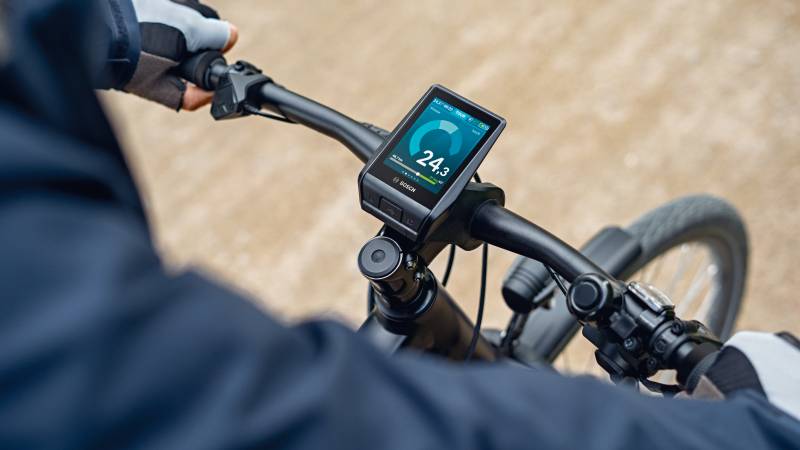
Alpine landscapes accessible thanks to the VAE
Preparing your gear before a major alpine itinerary
The bike obviously remains the central element, but organizing your gear also plays an important role on a multi-day route.
Weather conditions change rapidly at altitude. Even in summer, temperature differences between valley and summit can be significant. Breathable clothing, windproof protection and rain gear remain essential.
Battery management must also be anticipated. On major Alpine routes, it's important to identify recharging possibilities in advance and adapt assistance levels according to the profile of each stage.
Finally, it's best to avoid overloading the bike. Even with electric assistance, traveling light improves the VAE's behavior on both ascents and descents.
When choosing your equipment, taking the time to compare the different models available will above all enable you to invest in a bike that is truly adapted to this type of riding. Between autonomy, reliability, weight and riding comfort, finding the best value-for-money electric bike then becomes a key element in making the most of great mountain routes.