


Introduction: the Alps, a demanding but accessible roaming terrain
The Alps represent one of Europe's most emblematic cycling areas. With their legendary passes, deep valleys and panoramic roads, they attract cyclists from all over the world every year. Yet planning a long-distance itinerary in this region is not something you can improvise.
In contrast to an urban or flat route, alpine cycling requires global thinking: altitude management, physical endurance, changing weather conditions and logistics between stages. The difficulty lies not only in the distance, but in the cumulative altitude difference.
Today, a new dimension is transforming this practice: the arrival of electric bikes. They make alpine itineraries more accessible and allow us to design routes adapted to different fitness levels.
Understanding the specificity of cycling routes in the Alps
Planning a route in the Alps requires a different approach to that used for other European regions. Here, the determining factor is not only distance, but above all the positive altitude difference.
A 60-kilometer course can be extremely easy on a plain, but become a major challenge in the mountains. Cyclists should therefore consider:
- start and finish altitude
- intermediate collars
- actual ascent time
- recovery between stages
- high-altitude weather conditions
This complexity makes planning essential, especially for beginner or intermediate cyclists.
Three levels of difficulty for Alpine routes
To better structure the routes, we can distinguish three main levels of difficulty.
Beginner level: discovering the Alpine valleys
This type of itinerary favors valley roads and gentle gradients.
Features:
- mainly flat or gently undulating courses
- moderate distance (20 to 50 km per day)
- easy access to villages and services
- ideal for a first experience in the mountains
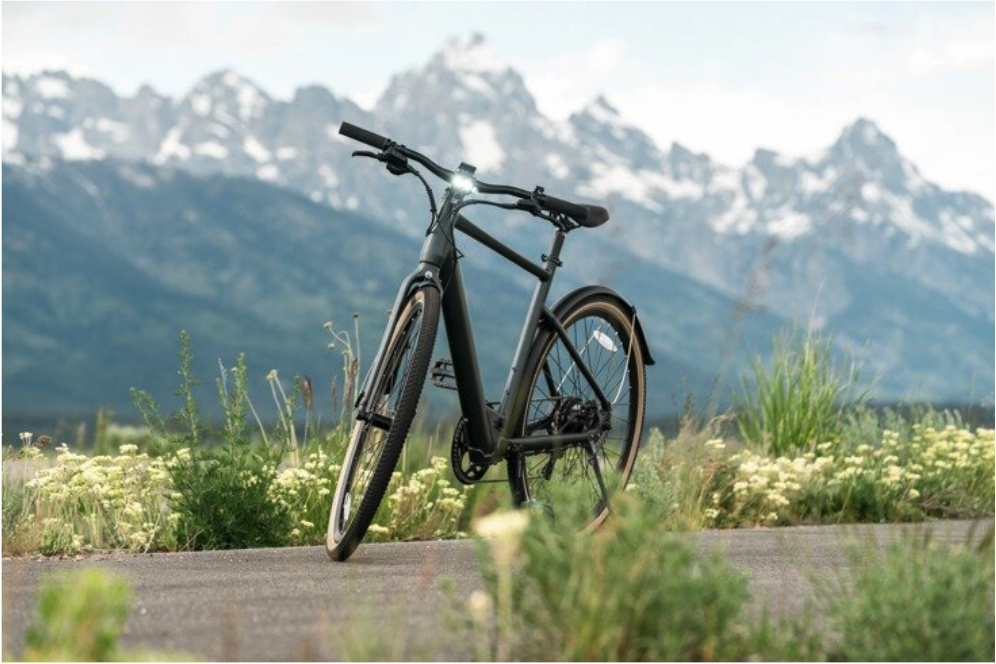
Intermediate level: first Alpine passes
Intermediate cyclists can tackle routes incorporating moderate passes.
Features:
- gradual leveling
- stages from 40 to 80 km
- alternation between valleys and rises
- need for good effort management
Advanced level: full alpine crossings
For experienced cyclists, long-distance routes may include several successive passes.
Features:
- significant, continuous drop
- long stages (80 km and more)
- demanding physical conditions
- advanced endurance management
The growing role of electric bikes in the Alps
The arrival of the electric bike is profoundly changing the way Alpine routes are planned. It's no longer just about physical performance, but about the balance between human effort and mechanical assistance.
electric bike
Thanks to pedal assist, cyclists can:
- prolong the duration of steps
- reduce climbing fatigue
- access collars previously reserved for experts
- adapt their effort according to the terrain
This opens the door to a new approach: flexible routes, adapted to different levels in the same group.
How electric bikes are changing route planning
With an electric bike, planning logic changes. Instead of limiting routes by maximum physical capacity, they can be designed according to the desired experience.
Cyclists can now:
- combining athletic endeavor and exploration
- run longer distances in a day
- reduce the impact of level differences in a group
- integrate passes more easily into routes
This development makes the Alps more accessible without removing the sporting dimension.
Vélo électrique ville et mobilité d'approche dans les Alpes
Another important aspect of planning concerns access mobility to Alpine routes. Many cyclists start their journey in town before reaching the mountainous areas.
Urban electric bikes play an essential role here:
- easy travel between stations, hotels and departure points
- fluid transition between city and mountain
- reducing car dependency
- optimizing multi-modal journeys
For example, urban models like the Fiido C11 or Fiido C21 are particularly well-suited to these approach phases. The C11 offers comfort and stability for regular city travel, while the C21 favors lightness and maneuverability, useful for navigating urban areas before joining alpine roads.
Choosing the right bike for a long-distance alpine route
The choice of bike is central to the success of a mountain itinerary. Not all electric bikes are designed for the same use.
For long distances in mixed terrain, some models stand out for their range and comfort.
For example, touring bikes like the Fiido Titan are ideal for longer tours, thanks to their stability and ability to handle heavier loads. For lighter, more versatile routes, models like the Fiido C21 allow a more flexible approach to alpine cycling.
These differences show the importance of adapting the bike to the type of route envisaged.
Managing autonomy and planning stages
One of the most important elements in electric bike routes is battery management.
In the Alps, several factors influence autonomy :
- level of courses
- Assist mode used
- weight of rider and luggage
- climate conditions
Good planning therefore consists of:
- provide recharge points
- adapt the level of assistance according to the sections
- balancing physical effort and electric assistance
This helps avoid critical situations in isolated areas.
The specific challenges of long-distance mountain biking
Even with electric assistance, the Alps remain a demanding environment. Key challenges include:
- rapid weather variations
- technical descriptions
- cumulative fatigue over several days
- stage logistics management
The electric bike doesn't eliminate these difficulties, but it does make it easier to spread them out over time.
The impact of electric bicycles on the accessibility of the Alps
One of the most important changes concerns accessibility. Thanks to electric bikes, the Alps are no longer just for highly trained cyclists.
We now observe:
- a diversification of rider profiles
- an increase in bicycle tourism
- better accessibility for beginners
- a more family-oriented and intergenerational practice
This is profoundly transforming the local economy and the way Alpine regions welcome visitors.
Limits and precautions to take
Despite its advantages, electric biking in the mountains requires certain precautions :
- respect downhill braking capabilities
- adapt speed to road conditions
- manage autonomy correctly
- anticipate areas without assistance or recharging
Good preparation remains essential to ensure a safe and smooth experience.
Conclusion: a new way to experience the Alps
Planning a cycling route in the Alps is no longer just about physical performance. It becomes a combination of experience, technology and strategy.
The electric bike doesn't replace effort, but it redefines the way that effort is distributed and experienced.
Thanks to it, the Alps are becoming a more inclusive space, where different levels of cyclists can share the same routes while tailoring their experience.
This development marks a profound transformation in long-distance cycling: mountains are no longer just a challenge, but also a space for exploration accessible to a much wider audience.